Trees bring shade, beauty, privacy, and a whole lot of character to a yard. Around Olympia, WA, and the surrounding areas, there’s also plenty of rain, wind, saturated soil, and stormy weather. Most of the time, healthy trees handle those conditions just fine. When a tree starts to decline, though, it can become a safety concern faster than many homeowners expect.
At Carlson Tree Care, we help homeowners figure out when a tree can be cared for and when removal may be the safer choice. Some problems are obvious, like a tree split by a storm. Others are quieter, like root decay, trunk cavities, or fungal growth near the base. If you’re wondering whether a tree on your property needs professional removal, here are the signs to watch for.
A dead tree is one of the clearest signs that removal may be needed. In spring and summer, look for bare branches, missing leaf buds, brittle twigs, and sections of canopy that never fill in. A tree may also shed bark, drop limbs, or show large areas of dry, cracking wood.
Dead trees don’t recover, and they become weaker over time. Once the wood dries out and breaks down, branches can fall with little warning. If the tree stands near a home, driveway, fence, walkway, or play area, we recommend having it inspected and removed before it causes damage.
Disease doesn’t always mean a tree needs to come down. Many trees can be pruned, monitored, or treated, depending on the issue. Removal becomes more likely when disease or decay affects the tree’s structure.
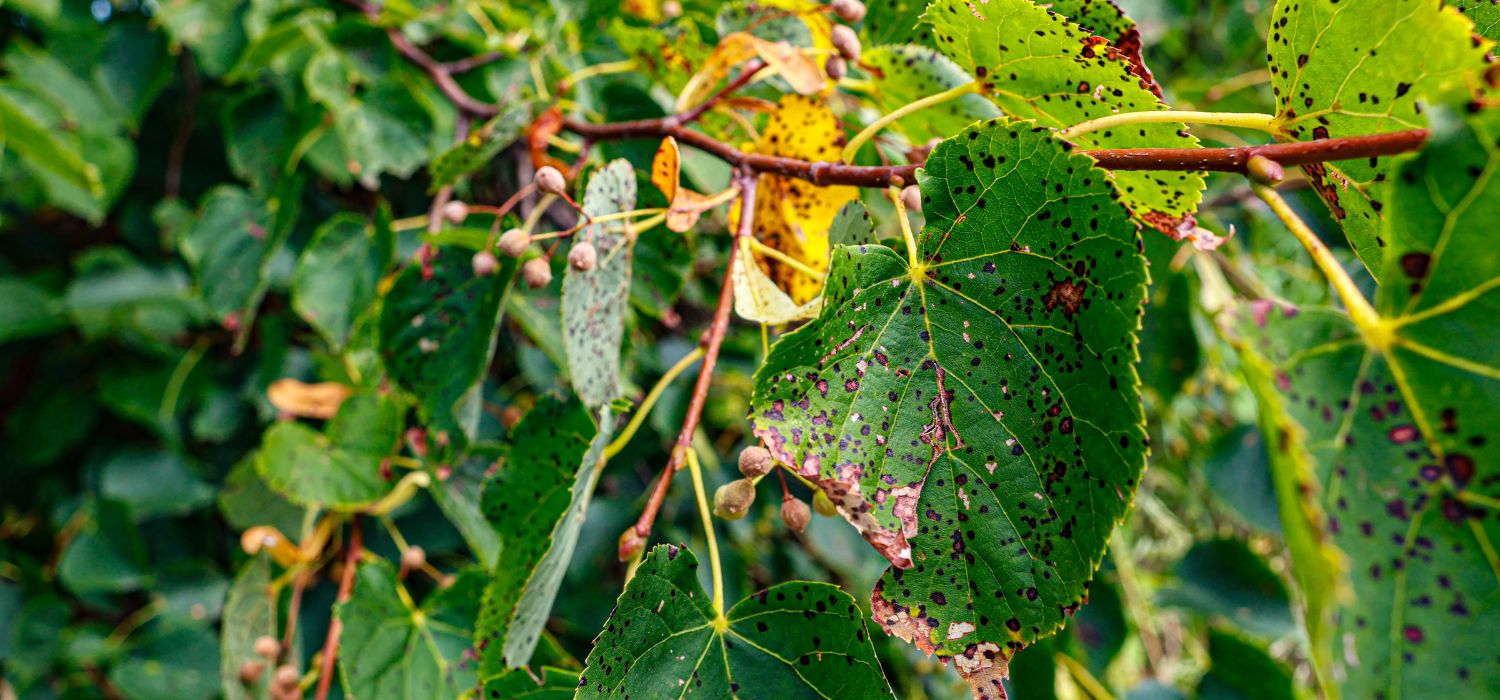
Soft, crumbly wood, large cavities, dead sections of the trunk, and hollow sounds when tapping the tree can all indicate internal decay. Mushrooms or shelf-like fungi growing on the trunk or near the roots may also signal that wood inside the tree is breaking down. By the time these signs appear, the problem may already be advanced.
Decay matters because it weakens the parts of the tree that hold weight. A tree can look leafy on the outside while losing strength inside the trunk or root system. That’s why we look at the whole tree before making a recommendation.
Western Washington storms can leave behind more than scattered branches. High winds and wet soil can split trunks, tear limbs, expose roots, or cause trees to lean. After a storm, hanging limbs and cracked leaders can be especially dangerous because they may stay caught in the canopy until they suddenly fall.
We recommend keeping people, pets, and vehicles away from storm-damaged trees until the area has been checked. If branches are touching power lines, stay back and contact the utility company first. Tree work around energized lines isn’t a do-it-yourself job.
We provide emergency tree removal and debris removal for situations where storm damage creates an immediate risk. When the tree can be saved safely, pruning or support may be an option. When the structure is too damaged, removal is often the responsible choice.
Some trees naturally grow at an angle and stay stable for years. A new lean is different. If a tree suddenly tilts after heavy rain, wind, or soil movement, the roots may be losing their hold.
Look for soil lifting on one side of the tree, exposed roots, cracks in the ground, or a gap forming around the base. These signs may indicate root plate movement. In saturated soil, a leaning tree can quickly become unstable, especially during another round of wind.
A severe lean toward a home, road, sidewalk, or utility line deserves prompt attention. We can inspect the tree, check the root zone, and help decide whether removal, monitoring, or another solution makes sense.
The trunk supports the entire tree, so major defects there are worth taking seriously. Deep cracks, long vertical splits, open cavities, and loose bark can all indicate structural weakness.
Some cracks develop after storm stress. Others form slowly as decay spreads or old wounds fail to close properly. A small surface crack may not be a major concern, but deep openings that expose interior wood should be evaluated.
When cracks combine with other warning signs, such as dead limbs, fungal growth, or a lean, the risk increases. In those cases, removal may be safer than waiting to see what happens.
Mushrooms in the lawn aren’t always a tree emergency. Fungi growing directly from the roots, trunk flare, or lower trunk are more concerning. Those growths can indicate decay in the root system or the lower part of the tree.
Root decay is a big deal because roots do two jobs at once. They feed the tree and anchor it in the soil. If decay weakens the anchoring roots, the tree may be more likely to uproot during strong winds or heavy rain.
We don’t recommend guessing based on mushrooms alone. A professional inspection helps determine whether the fungus is harmless surface growth or a sign of deeper decay.
Root damage can happen after construction, trenching, driveway work, grading, flooding, or repeated heavy traffic over the root zone. Because roots are underground, you may not notice the problem until the tree starts thinning, leaning, or dropping branches.
Warning signs include raised soil, exposed roots, erosion around the base, cracked soil, and pavement lifting near the tree. If the tree has lost major roots on one side, it may not have enough support to remain stable.
Before removing a tree, we assess the root zone, canopy, and trunk. That gives us a better picture of whether the tree can safely stay in place.
A hazardous tree can damage roofs, vehicles, fences, sheds, sidewalks, and landscaping. More importantly, falling limbs or a tree can injure nearby people. The risk increases when the tree stands close to areas where people regularly walk, park, work, or gather.
Waiting can also make removal more difficult. As a tree declines, the wood may become brittle, access may become more complicated, and storm damage may create emergency conditions. Calling early gives us more room to plan the work safely.
If a tree looks dead, suddenly leans, has major cracks, shows fungal growth near the base, or has storm damage, it’s time to call us for an inspection. We can assess the tree, explain what we see, and recommend the safest next step.
Our tree services include removal, trimming, aesthetic pruning, stump grinding, stump extraction, emergency tree removal, land clearing, debris removal, and commercial tree removal. Whether the answer is pruning, monitoring, or removal, we aim to give you a clear plan without making the process feel stressful.
Tree removal isn’t always the first answer, but sometimes it’s the safest one. Dead trees, serious decay, storm damage, sudden leaning, trunk cracks, fungal growth, and root problems all deserve a closer look.
If you are unsure about a tree on your property, we’re happy to help you sort it out. Carlson Tree Care serves Olympia and nearby communities with practical tree care, safe removals, and honest guidance for homeowners who want to protect their yard, home, and family.
Sometimes, yes. It depends on the disease, the tree species, the amount of damage, and the risk to nearby structures or people.
It can be. Hanging limbs, split trunks, exposed roots, and trees leaning after a storm should be checked as soon as possible.
We can help with debris removal, stump grinding, or stump extraction to make the area safer, cleaner, and ready for future use.
Call when a tree is dead, leaning suddenly, badly storm-damaged, cracked, decayed, or close to a home, driveway, road, or power line.
Shelton WA 98584
Mon - Fri 8am- 6pm
Sat - Sun by Appointment
Call us for a free estimate
360-490-7001